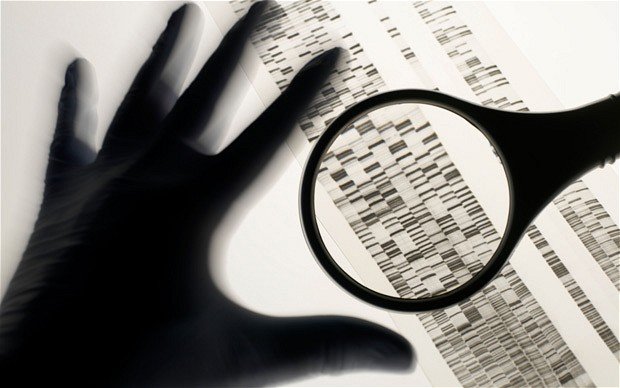
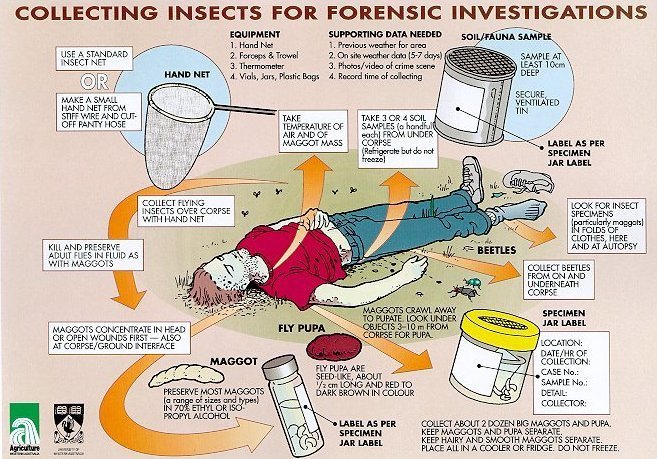
Field advancements in DNA testing have been making their presence felt for the past 10 years, and yet there’s still a lot of controversy surrounding forensic DNA testing, mostly due to some (rare) errors. But science is always improving, and this type of analysis is definitely much needed in forensic studies – it’s often the difference maker.
How forensic DNA testing works
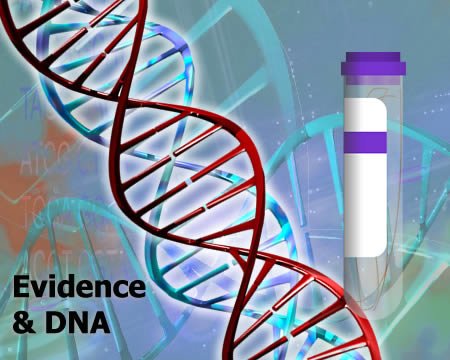
Virtually any advanced organism carries around DNA after which it can be identified; we’re not yet at the level where we have decoded the DNA code of every animal, but we’re pretty good at studying humans – James Watson and Francis Crick decoded its double-helix structure in 1953.
DNA profiling is a technique used by forensic scientists to assess individuals by their DNA profiles. Basically, DNA profiles are encrypted sets of information that reflect a person’s DNA genetic make-up – each one is unique, except for identical twins. However, DNA profiling shouldn’t be confused with full genome sequencing – which is an entirely different thing.
Basically, over 99.9% of everybody’s DNA is identical – but the 0.01% is enough to differentiate between all of us. To identify individuals, forensics typically scan 13 DNA regions, or , that vary from person to person and use the data to create a DNA profile of that individual – basically you can consider this as a unique DNA fingerprint.
The DNA code, as long and twisted as it may be, basically consists of four nucleotides:
– Adenine (A)
– Cytosine (C)
– Guanine (G)
– Thymine (T)
Any DNA molecule consists of these for elements, linking together like rungs on a ladder, 2 by 2 (Adenine and Thymine always go together, and so do Cytosine and Guanine). It’s these combinations that basically make everybody unique.
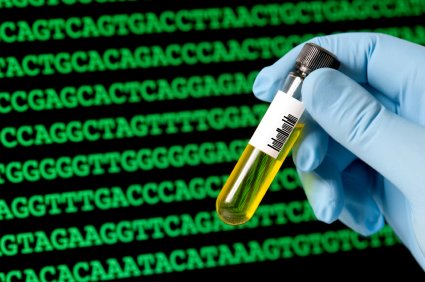
DNA samples
You can take DNA samples off of virtually everything: clothes, hats, weapons, condoms, cigarette buds, bottles, cigars, stamps, books, linen, fingernails, and even directly from other people. When you see forensic technicians taking samples, they place them in paper bags or paper envelopes – not plastic bags; this is important because plastic bags retain moisture, which can significantly damage the DNA samples. After this, the samples are taken to the lab, where they are subjected to thorough analysis.
Nowadays, many labs have the ability to conduct DNA testing, though the capabilities greatly vary; only a few labs offer more specialized techniques, such as Y-chromosome or mitochondrial DNA analysis, on which I’ll go into more detail in future posts.
Samples used in forensic DNA analysis
A range of samples can be used in forensic DNA analysis but key to the successful extraction of DNA is in the state of preservation of the sample, which in turn depends on a number of factors such as the actual type of tissue (for example hard tissue vs soft tissue), the chemical the sample has been exposed to (for example cleaning products and chemical regents) as well as the environmental conditions surrounding the same (for example wet conditions vs dry conditions). Many leading companies including , International Biosciences and DNA Diagnostics Center, offer advanced forensic testing which make it possible to extract DNA from even highly degraded DNA sources.
DNA testing with hair samples
Hair samples are often used in forensic DNA testing but the analysis of DNA in hair samples is more complicated than it appears and detective TV series can often be misleading. The human hair is divided into two parts – the hair shaft and the hair root. The hair shaft is made up of a type of protein known as keratin. In itself, the hair shaft does not contain any nuclear DNA. A high resolution close up of a hair sample will reveal what are known as keratinocytes, essentially type of skin cells which are directly involved in the synthesis of hair, converting the cells to keratin. However, these cells are destroyed during the conversion into keratin, leaving no nuclear DNA (although in some cases, a partially incomplete conversion of keratinocytes to keratin may leave some nuclear DNA). What is definitely found in the hair shaft is mitochondrial DNA. Mitochondrial DNA can be used to establish whether individuals share a common maternal lineage. The hair root, if present, contains nuclear DNA and depending on the state of preservation and the number of hair roots, extraction can be successful.
Bones and teeth
Bones and teeth provide high success rates when analysed for DNA. The solid matrix within which cells are enclosed protects them from degradation. The density of the bone also has a direct influence on the state of preservation of the DNA within it; compact bone tends to offer more protection than spongy bone. Teeth also make excellent samples for DNA extraction- often offering even higher success rates than bones due to the fact they often remain wedged in the jaw bone, protecting especially the hair root which contains more DNA than the crown.
Other samples
Other samples often used include samples of bodily fluids such blood or semen – these can offer very high success rates. Samples with lower success rates include lip marks on drinking glasses, cups or mugs or used toothbrushes or dental floss. Very low success rate samples include envelopes, which may contain no DNA at all as the person may not even have licked them. Over and above, even if the envelope was licked, the chemical glue could actually degrade the sample.
How effective is DNA analysis?
Let’s consider this situation. Say that type O blood is found at a crime scene; this blood type occurs in almost half of all people, so this doesn’t really say much. But say they also find markers which suggest he is blond. That starts limiting it a little, but it’s still not definitive – and this is where things start to get tricky, and it’s easy to make mistakes, because the reference sample is sometimes damaged and coincidences can occur, and sometimes do, though less in recent times. In the early days of DNA forensic analysis, juries were often swayed by statistic considerations presented somewhat one-sided or downright misrepresented:
“[your honor,] given a match that had a 1 in 5 million probability of occurring by chance, the lawyer would argue that this meant that in a country of say 60 million people there were 12 people who would also match the profile”
The argument is not valid unless the suspect was drawn at random from the population of the country – so alone, DNA evidence is not entirely relevant. But coupled with other evidence, that’s an entirely different story. The odds of a suspect DNA matching the DNA analysis found at the scene is all but impossible by coincidence.
However, DNA evidence can be faked, it can be planted upon and it can be tampered with. In the case of the Phantom of Heilbronn, police detectives found DNA traces from the same woman on various crime scenes in Austria, Germany and France — among them murders, burglaries and robberies. Only after the DNA of the “woman” matched the DNA sampled from the burned body of a male asylum seeker in France, detectives began to have serious doubts about the DNA evidence.
Many more things could be said about DNA testing, but hopefully, by now, you have an idea by now on what it means, how it works, what are the upsides and downsides – I’ll save the additional details for a future time (see the links at the bottom of the article; if there are no links, I haven’t had the time to write a proper article yet).